Well Pump Repair
Well pump repairs for Georgia homes include pump-depth and failed-component diagnosis; typical repairs run $300–$1,500, driven by pump depth and parts.
Water pressure that surges, then fades, can make showers and faucets unreliable and may point to a system problem that needs attention. North Georgia hard freezes can stress exposed plumbing; Valdosta State University is a familiar South Georgia reference, where checking exposed pipe condition after a freeze-thaw cycle can help catch strain early.
Browse all service options available across Georgia and choose the right fit for your project.
Well pump repairs for Georgia homes include pump-depth and failed-component diagnosis; typical repairs run $300–$1,500, driven by pump depth and parts.
We install residential booster pumps sized to household demand, including pump capacity and electrical work; typical installation runs $800–$2,500.
We repair or replace home pressure regulators, including accessible valve assemblies; typical repairs run $250–$600 depending on valve condition and parts.
Low cold-water pressure service for homeowners includes checking cold-side valves and accessible piping. Typical repair costs depend on parts, pipe condition, and access.
Water Pressure Testing compares gauge readings and fixture flow for Georgia homeowners; a typical test is $75–$200, depending on access and fixture count.
We trace sudden home pressure loss, including meter and buried-line issues; access and excavation needs shape the repair scope and cost.
Whole-house pressure diagnosis for homeowners includes checking the main supply and accessible piping; repair scope and access shape the cost, with final quotes based on site conditions.
We diagnose weak showers for homeowners, including showerhead and supply-side restrictions; typical repairs run $150–$500, depending on access and parts.
We repair leaking residential water lines, including buried sections; typical jobs run $300–$2,000, depending on leak location and excavation access.
Clogged water line repair clears or corrects restricted residential piping, with the work scope and access affecting a typical $300–$1,500 job.
We diagnose weak kitchen and bathroom faucets, including accessible fixture connections. Typical repair runs $100–$350, depending on faucet condition and access.
We trace weak flow between the municipal meter and home, checking accessible service-line connections; saturated soil after rain can complicate access near Macon's Ocmulgee Mounds National Historical Park, and storm d...
Low hot-water pressure service for Georgia homes includes tracing restricted hot-side flow and checking accessible fixtures; typical repairs run $150–$600, depending on access and parts.
Well pressure tank repair for Georgia homes includes tank and connection work; final cost depends on tank size, parts, access, and site conditions.
We repair residential booster pumps, checking controls, pressure switches, and accessible connections; repair scope and parts determine the final cost.
We repair residential softener valves, bypasses, and resin-bed restrictions; typical jobs may run $150–$600 depending on parts and access.
Tankless water pressure repair checks restricted heater passages and connections; the quote depends on access, parts, and the condition of the unit.
Water Filter Pressure Repair clears restricted cartridges and housings for Georgia homes; typical repairs run $150–$500, depending on filter type and access.
Upper-floor pressure diagnosis for Georgia homes includes comparing flow at fixtures on different levels; access and the cause determine the repair scope and price.
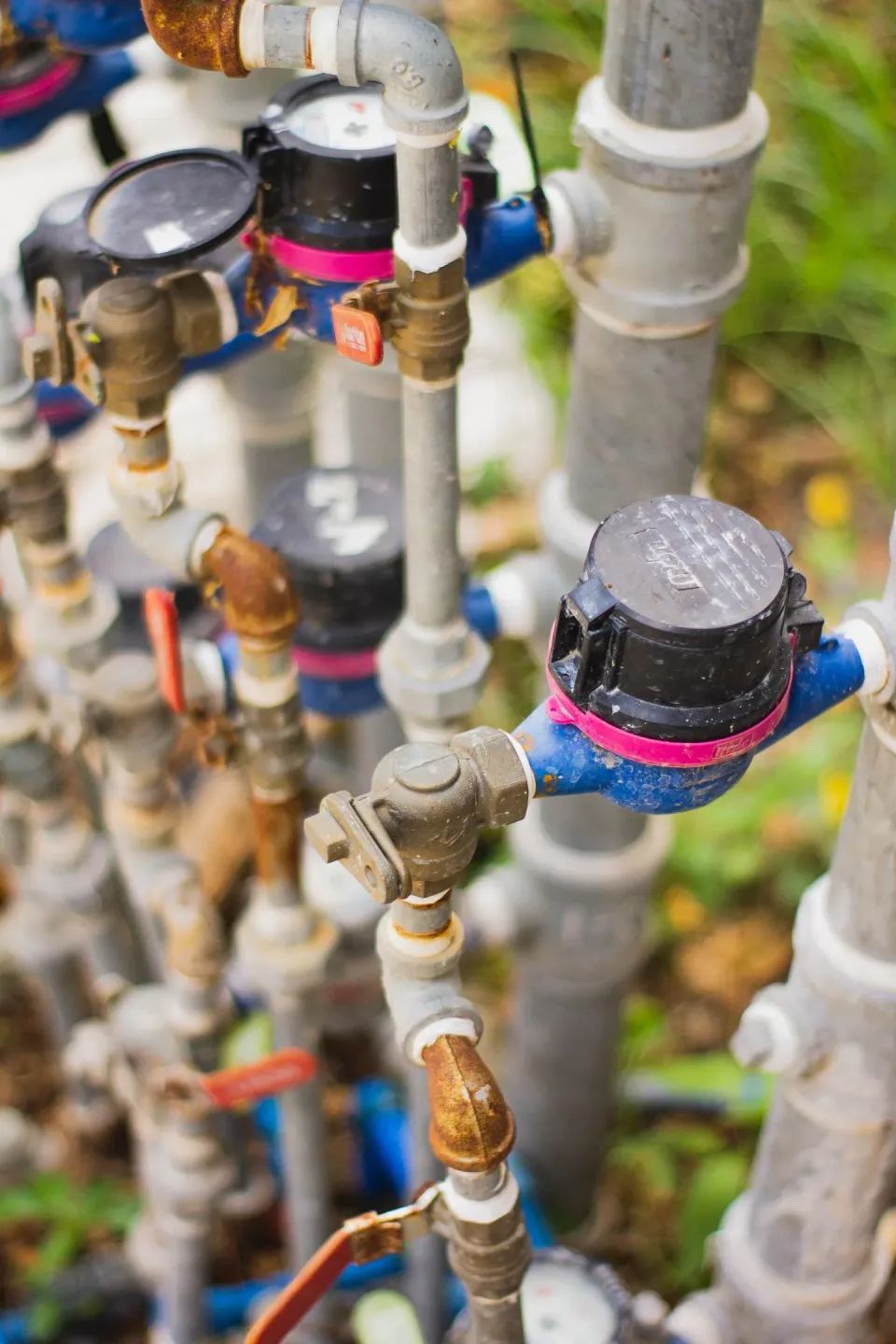
Pressure swings need measurements under changing demand, not a guess. We compare static readings with fixtures closed and dynamic readings while water flows, then check the pressure gauge and regulator response. Residential pressure is commonly targeted at 40–60 psi, but readings can shift with elevation and simultaneous use.
Near the Athens downtown district, heavy rainfall can saturate soil around buried water lines; a sudden change in pressure may warrant checking for a line problem rather than adjusting equipment blindly. Summer heat can also increase outdoor water use, so a pressure change during irrigation may reflect added demand. We note when the swing occurs and whether it affects the whole house.
We explain the likely cause and confirm repair scope before work begins. For a measured review, call (877) 773-0781.
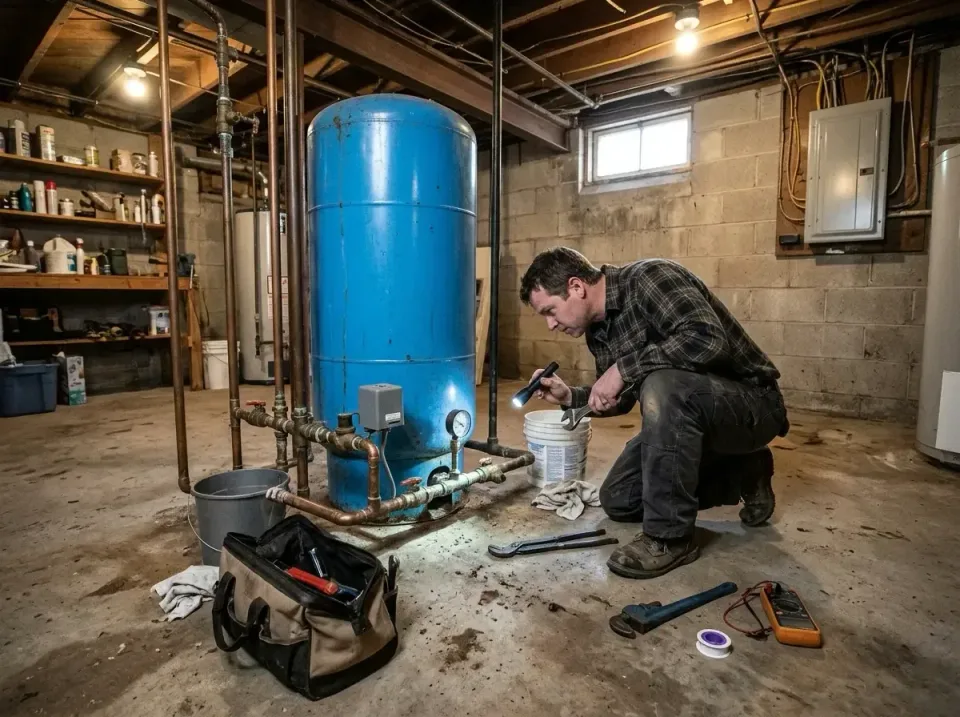
We begin by recording when the pressure changes and which fixtures are operating. That gives our crew a useful baseline before testing.
We take a static reading with fixtures closed, then compare it with dynamic pressure while water flows.
We repeat observations under representative use, since simultaneous demand and elevation can affect readings.
We review the pressure gauge results with you and explain the likely cause before agreeing on repair scope.
We complete the approved work and check whether pressure behavior has changed.
A single visit may be enough to establish the pattern, though access and the number of fixtures affect the assessment. Hartsfield-Jackson Atlanta International Airport is a recognizable Atlanta-area reference; across the state, service access can differ by property and location.
At Brasstown Bald, elevation is a reminder that pressure readings should be interpreted in context, not compared without considering the building. Inland areas generally avoid direct storm surge, but location still informs planning.
For background on pressure changes, see Georgia Plumbing Pros Blog.
If pressure surges in a home near Centennial Olympic Park, Atlanta, replacing a part before testing can leave the same symptom unresolved. Guesswork gets expensive in time.
Our crew compares readings under different conditions, then explains what they show in plain language. Around the Blue Ridge Scenic Railway, changing property elevations make it especially important to interpret readings for the building rather than rely on a single number. At Callaway Gardens, Pine Mountain, a property owner can help by noting when pressure changes and which fixtures are in use; that simple record gives our crew useful context.
We also confirm the repair scope before beginning, so the work follows the diagnosis rather than expanding by assumption. Georgia plumbing contractor licensing is governed by O.C.G.A.
Title 43, Chapter 14; our Georgia-licensed plumbing professionals explain the work and relevant requirements. If pressure swings continue after basic observations, our crew can assess the system and discuss a clear next step.
A pressure swing that needs a regulator adjustment is a different job from a buried-line problem. Scope matters. A pressure test commonly runs $75–$200, with access and fixture count affecting the work. Regulator repair may range from $250–$600 depending on valve condition and parts; the final quote depends on repair scope, equipment, access, and site conditions.
Seasonal rainfall affects groundwater and well performance, so a property relying on a well may need additional evaluation before the cause is clear. Near Savannah Historic District, access to plumbing in an older property can shape the work required.
At St. Simons Island Pier, coastal location is a useful reminder that properties differ; it is not a substitute for an on-site assessment.
Andersonville National Historic Site is another Georgia location where travel and job access can affect scheduling and scope. Call (877) 773-0781 to review the job and receive a final quote matched to its conditions.
Sputtering at a faucet can signal inconsistent water delivery. Notice whether the flow spits or briefly breaks up after the tap has been off. Keep track of which fixture does it and whether the same pattern appears elsewhere; those details can help a technician narrow the cause.
Slow toilet refills can be an early sign of reduced supply to a fixture. Pay attention if the tank takes longer than usual to refill after a flush, especially if other household water use seems normal. A change in one location may help distinguish a fixture issue from a wider system concern.
Hot Side Runs Weak
Before: Hot water pressure is weaker than cold at the same fixture, making daily tasks slower.
After: A technician tests pressure, explains the findings, and reviews repair options before work begins. After a repair, the team verifies pressure at multiple fixtures so you can compare the result across the home.
Permit needs depend on the work being proposed and local requirements. Ask who checks those requirements and handles any required paperwork. Georgia Plumbing Pros uses Georgia-licensed plumbing professionals; confirming permit responsibilities helps you understand what must be arranged before work starts.
A clear scope should explain what will be inspected, what work is proposed, and what falls outside the plan. Ask for the findings and repair options before approving work, so you can decide with a shared understanding of the task.
Ask whether the technician will need access to fixtures, valves, a utility area, or pump equipment. Clearing the relevant area can help the visit proceed smoothly, while discussing access needs in advance helps avoid surprises when the technician arrives.
If indoor condensation increases during humid weather, note where it appears; storm debris may delay access, so call (877) 773-0781 to arrange a scope review.
Yes, hot, humid summers increase plumbing-system demand, and greater household or outdoor use can make existing pressure swings more noticeable. Record when the change occurs and what fixtures are running so Georgia Plumbing Pros can interpret the pattern.
Yes, pipes in unheated spaces can freeze during cold snaps, so look for visible frost or leaks without touching or heating a pipe yourself. If pressure changes continue, have a plumbing professional assess the system safely.
Yes, Atlantic hurricane season runs June through November, and coastal Georgia faces greater storm-surge exposure that can complicate utility service and repair access. After a storm, avoid disturbed plumbing and note whether the pressure change began with an outage or interruption.
Permit requirements depend on the work; the Georgia State Minimum Standard Plumbing Code, 2024 edition, supplies the state plumbing-code framework. For work in Atlanta, verify applicable permit requirements through the Atlanta Office of Buildings before repairs that alter plumbing.
Describe when the pressure changed, which fixtures were operating, and whether the home lost power; the Georgia Aquarium, Atlanta, is a familiar local reference, but properties can have different plumbing setups. Georgia Plumbing Pros can use those details to review the likely cause and explain the repair scope.
Select a city to find local low water pressure repair providers we cover in Georgia.