Well Pump Repair
Well pump repairs for Georgia homes include pump-depth and failed-component diagnosis; typical repairs run $300–$1,500, driven by pump depth and parts.
An upstairs faucet that barely runs while the first floor seems normal can point to pressure loss that changes with elevation and household use. Georgia Plumbing Pros helps Georgia homeowners address weak upper-floor flow without guessing at the cause.
Browse all service options available across Georgia and choose the right fit for your project.
Well pump repairs for Georgia homes include pump-depth and failed-component diagnosis; typical repairs run $300–$1,500, driven by pump depth and parts.
We install residential booster pumps sized to household demand, including pump capacity and electrical work; typical installation runs $800–$2,500.
We repair or replace home pressure regulators, including accessible valve assemblies; typical repairs run $250–$600 depending on valve condition and parts.
Low cold-water pressure service for homeowners includes checking cold-side valves and accessible piping. Typical repair costs depend on parts, pipe condition, and access.
Water Pressure Testing compares gauge readings and fixture flow for Georgia homeowners; a typical test is $75–$200, depending on access and fixture count.
We trace sudden home pressure loss, including meter and buried-line issues; access and excavation needs shape the repair scope and cost.
Whole-house pressure diagnosis for homeowners includes checking the main supply and accessible piping; repair scope and access shape the cost, with final quotes based on site conditions.
We diagnose weak showers for homeowners, including showerhead and supply-side restrictions; typical repairs run $150–$500, depending on access and parts.
We repair leaking residential water lines, including buried sections; typical jobs run $300–$2,000, depending on leak location and excavation access.
Clogged water line repair clears or corrects restricted residential piping, with the work scope and access affecting a typical $300–$1,500 job.
We diagnose weak kitchen and bathroom faucets, including accessible fixture connections. Typical repair runs $100–$350, depending on faucet condition and access.
We trace fluctuating home pressure through fixture and system checks; repair scope depends on the cause, access, and parts required.
We trace weak flow between the municipal meter and home, checking accessible service-line connections; saturated soil after rain can complicate access near Macon's Ocmulgee Mounds National Historical Park, and storm d...
Low hot-water pressure service for Georgia homes includes tracing restricted hot-side flow and checking accessible fixtures; typical repairs run $150–$600, depending on access and parts.
Well pressure tank repair for Georgia homes includes tank and connection work; final cost depends on tank size, parts, access, and site conditions.
We repair residential booster pumps, checking controls, pressure switches, and accessible connections; repair scope and parts determine the final cost.
We repair residential softener valves, bypasses, and resin-bed restrictions; typical jobs may run $150–$600 depending on parts and access.
Tankless water pressure repair checks restricted heater passages and connections; the quote depends on access, parts, and the condition of the unit.
Water Filter Pressure Repair clears restricted cartridges and housings for Georgia homes; typical repairs run $150–$500, depending on filter type and access.
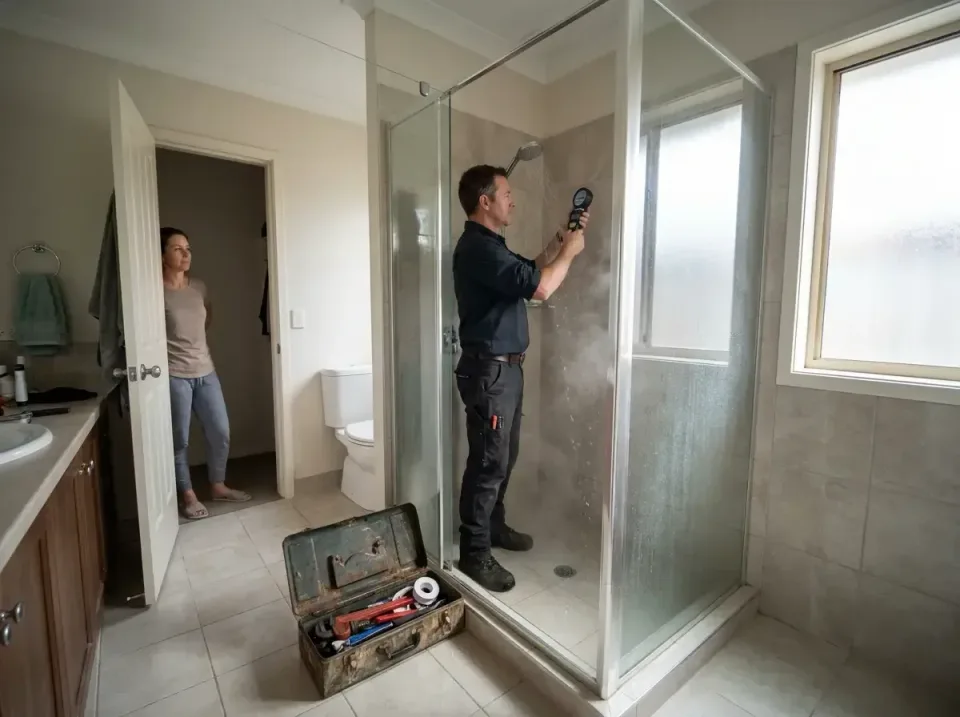
Weak flow upstairs can trace to elevation, simultaneous fixture use, or a restriction in the plumbing serving that level. Our crew compares static pressure with fixtures closed and dynamic pressure while water runs, then checks how readings change between floors; residential pressure is commonly targeted at 40–60 psi. We confirm the scope before recommending work.
Near Albany Riverfront Trail, homeowners should note whether weak flow affects every upstairs fixture or just one; that distinction helps narrow the location of the restriction. Andersonville National Historic Site is another Georgia reference point where a statewide service visit may require clear coordination, so we confirm access and the work area before scheduling. Near Augusta Riverwalk, sharing which fixtures lose flow helps us prepare for the right inspection.
We explain what the readings suggest and review repair options before work begins. For a scope review, call (877) 773-0781.
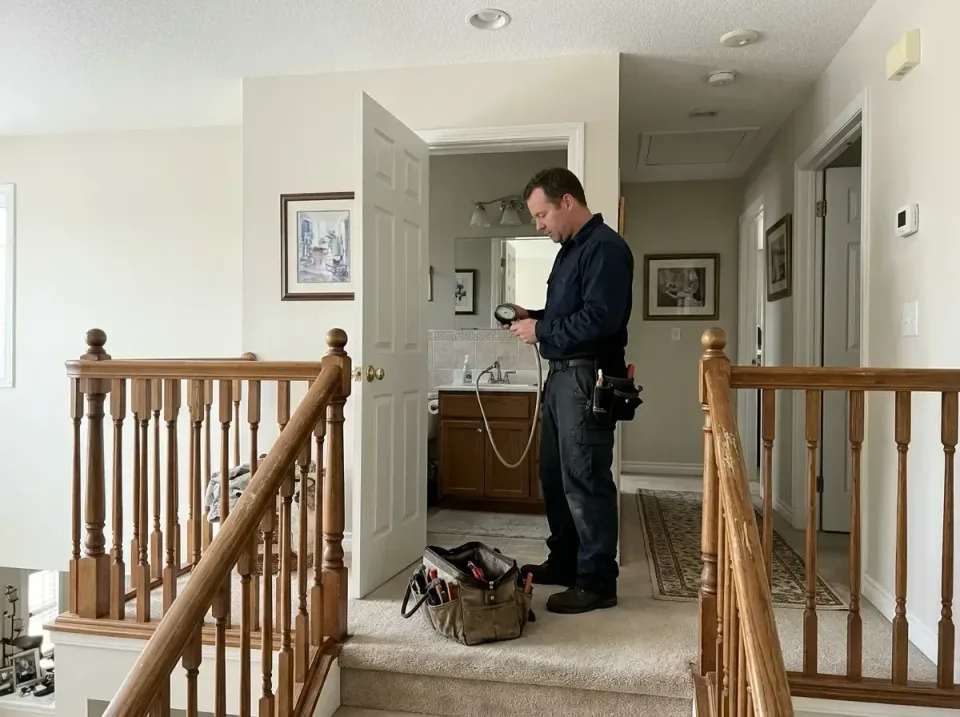
We begin by recording which upper-floor fixtures lose flow and when the symptom occurs. That gives the inspection a clear target.
Next, we compare pressure and flow at fixtures on different levels, first with fixtures closed and then while water runs. A pressure reading uses pounds per square inch, while flow rate is commonly measured in gallons per minute; the two measurements describe different parts of the problem. We also ask about recent changes and check accessible piping for signs that merit closer inspection.
In areas near Callaway Gardens, Pine Mountain, or the Chattahoochee River National Recreation Area, we coordinate the visit around the home’s access needs rather than assume a uniform route or schedule. Freeze-thaw cycles can stress exposed plumbing, so accessible pipes in unheated spaces may warrant a visual check.
High summer humidity can promote indoor condensation; we distinguish moisture on a pipe from evidence of a plumbing leak before proposing work. We explain the results and confirm the repair scope with you.
When an upstairs sink loses flow in a Georgia home, changing a fixture or adding equipment before locating the restriction can leave the real problem untouched. A careful diagnosis matters.
Our crew compares readings across floors and during actual water use, because pressure readings vary by elevation and simultaneous use. We also inspect accessible piping rather than treating every weak faucet as the same failure.
Near the Georgia State Capitol, Atlanta, a home’s supply conditions still need to be measured at that property; the landmark cannot tell us what the fixtures are receiving. Heavy rainfall can saturate soil around buried water lines, but that fact alone does not prove a buried-line fault, so we rely on observed evidence before expanding the scope.
Amicalola Falls State Park is a reminder that terrain differs across Georgia, and access conditions can affect how an inspection is coordinated. We explain findings plainly, confirm scope before work, and can help identify whether a separate supply issue needs attention.
If upstairs flow is weak, the price depends first on whether the cause is accessible at a fixture or requires tracing piping between levels. No single repair figure fits every home. We review the scope before work, and the final quote depends on repair scope, equipment, access, and site conditions.
A simple inspection is less involved when the affected fixtures and supply piping are easy to reach; finished walls, tight utility spaces, or several affected rooms can add labor. The condition and type of piping, the location of a restriction, and whether repair requires opening or restoring a surface also shape the estimate.
North Georgia experiences more frequent hard freezes, so exposed or unheated-space piping may need careful assessment if damage is suspected. Seasonal rainfall affects groundwater and well performance, which can complicate diagnosis for homes using a well; that does not establish the cause of upper-floor symptoms by itself.
South Georgia winters are generally milder, but local conditions still matter. Contact Georgia Plumbing Pros at (877) 773-0781 for a job-specific scope review.
An upstairs tap that briefly spits or sputters can signal air or an interruption in the water line. Notice whether it happens repeatedly and whether other fixtures behave the same way. That detail helps distinguish a single-fixture issue from a wider pressure concern.
An upstairs shower spray that becomes uneven may be an early clue that flow is changing. Check whether cleaning the showerhead restores its usual pattern. If the change remains, note whether nearby fixtures show a similar difference before deciding what needs attention.
A brief rattle in the pipes after an upstairs fixture closes can point to changing water movement. Pay attention to which fixture triggers the sound and whether it happens consistently. Sharing those observations helps a plumbing professional assess the right area.
Permit requirements can depend on the repair and local rules. Ask the provider to explain whether permits apply, who handles them, and what approvals are needed before work starts, so expectations are clear and required steps are not overlooked.
Written terms help clarify the agreed scope, any exclusions, and how changes are handled. Ask for time to review the proposed terms and get your questions answered before approving work, rather than relying on assumptions about what was discussed.
Call Georgia Plumbing Pros at (877) 773-0781 to review upper-floor pressure loss and arrange a clear, job-specific scope.
Yes, one bathroom can have weak flow while other upper-floor fixtures work normally, which makes the affected branch or fixture area important to inspect. The Atlanta Botanical Garden is a familiar Atlanta landmark, but only observations at your home can show whether the issue is isolated.
Yes, a well system can contribute to weak upper-floor flow, but the home’s elevation and simultaneous water use also affect what fixtures receive. Drought periods can strain private wells, so note any change in household flow and share it during the assessment.
It can affect access or scheduling when storm conditions disrupt travel or utilities, but it does not by itself identify the cause of low upstairs flow. Atlantic hurricane season runs June through November, so share any access limitations when arranging a visit.
Yes, photos of accessible piping, the affected fixtures, and any visible moisture can help clarify access and the inspection area before a visit. Homes near Savannah Historic District may have different layouts and access needs, so include a short description of which floor and fixtures are affected.
Coastal weather can affect access and utilities during severe conditions, but it is not enough to diagnose pressure loss inside a home. Tybee Island Light Station is a useful coastal reference; tell us whether the symptom began after a storm and whether other floors are affected.
Select a city to find local low water pressure repair providers we cover in Georgia.